TL;DR
When a drain backs up in Christchurch, the first question isn't always "how do we clear it" — it's "whose drain is this?" Responsibility splits between the private drain serving your own property, a shared lateral drain, and the public sewer network maintained by Wessex Water, and a blockage can sit on either side of that line. Since 2011, many of the private sewers and lateral drains that connect a group of properties to the public network transferred into water company ownership, which changed who you'd call for a lot of older streets without anyone necessarily updating their paperwork. If you're not sure which side of the boundary your blockage is on, the quickest way to find out is a CCTV survey — and you can request a fixed-price quote online to get one booked.
How Drain Responsibility Actually Works
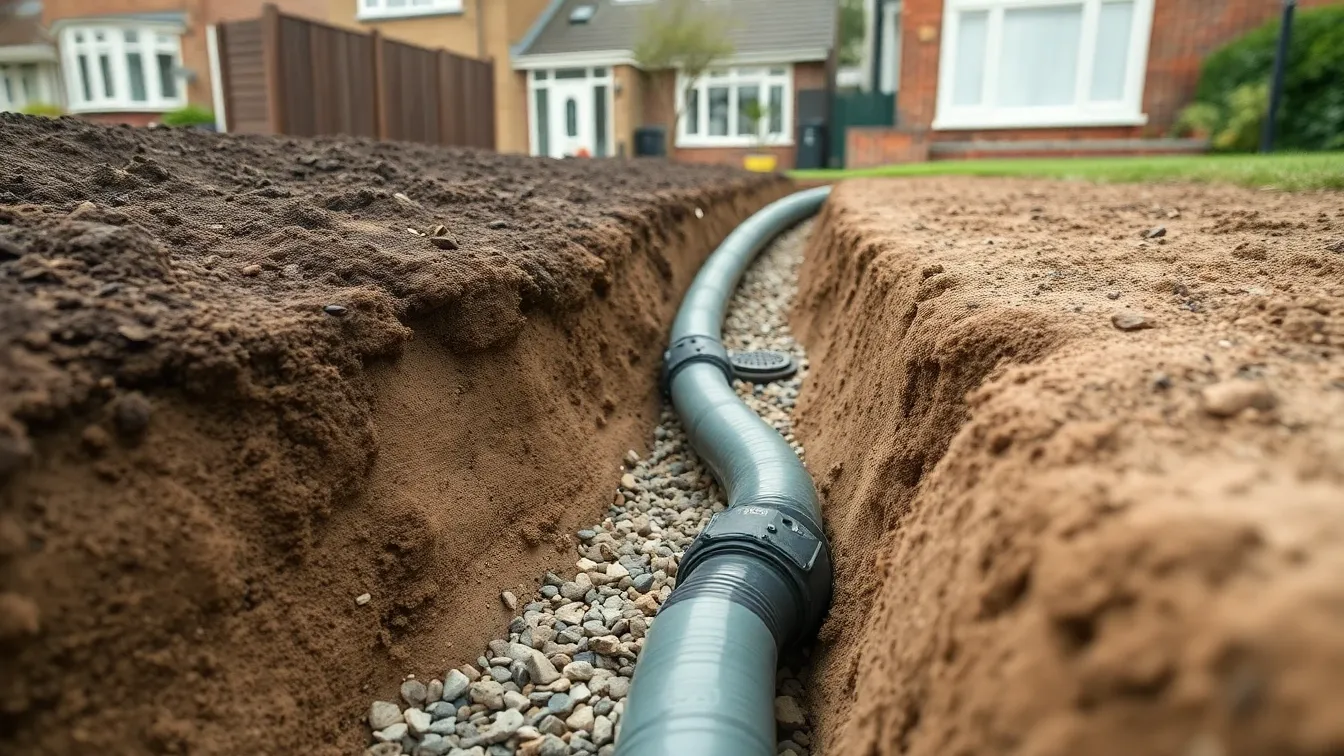
In England, the pipework carrying waste water away from a property is split into three broad categories. The **private drain** runs from the property to the point where it meets other drains or the public sewer, and is the owner's responsibility to maintain. A **lateral drain** is the section that continues from the property boundary to its connection with the public sewer, often running under a road or shared land. The **public sewer** is the network the local water and sewerage company — Wessex Water in this part of Dorset — is legally required to maintain.
The tricky part is that a single blockage can involve more than one of these sections at once, and from ground level it's rarely obvious where one ends and the next begins.
Wessex Water's Role in Christchurch
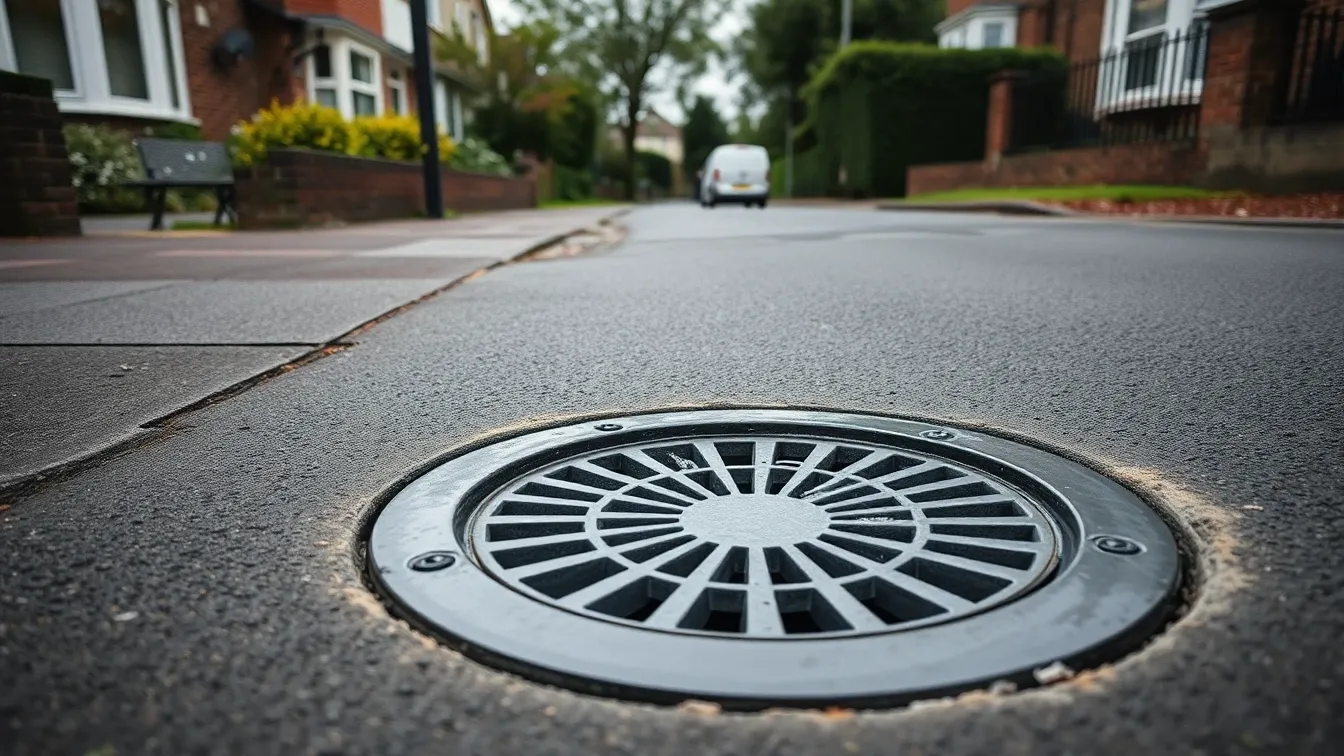
Wessex Water is the statutory sewerage undertaker for Christchurch and the wider Bournemouth and Dorset area, meaning it's responsible for maintaining the public sewer network and, in many cases, the lateral drains that connect older streets to it. A significant national change in October 2011 transferred large numbers of private sewers and lateral drains — many built well before that date — into water company ownership, which is why plenty of properties that residents assumed were "on a private drain" are now actually connected via pipework Wessex Water maintains. It's a useful starting point if you're trying to work out who to contact, though it doesn't remove the need to check the specifics for your own property, since the transfer didn't apply universally, and drains built or altered after that date follow different rules.
For anything that clearly sits within the public sewer network, Wessex Water is the correct point of contact rather than a private contractor. For anything on the private side of that boundary, responsibility (and the choice of who clears it) sits with the property owner. The difficulty most residents face isn't disagreeing with that principle — it's not knowing, without inspecting the pipe, which category their particular blockage falls into.
Common Causes of Blocked Drains on Christchurch Streets
Christchurch's mix of older residential streets and the town's proximity to the coast and the Avon and Stour valleys brings a fairly consistent set of causes. Tree root ingress at pipe joints is common on streets with mature planting close to older clay drainage. Grease and fat build-up from kitchen waste narrows pipe diameter gradually over years rather than blocking a drain overnight. And on the area's characteristically sandy, free-draining soil, minor ground movement over time can leave a pipe slightly out of alignment, creating a low point where debris collects. None of these causes are unique to Christchurch, but the combination of older infrastructure and this ground type means they show up here more often than in newer developments.
How a CCTV Survey Settles the Question
Rather than guessing, a CCTV drain survey puts a camera through the pipe run and records exactly where a blockage or defect sits relative to the property boundary and the public sewer connection point. That footage, cross-referenced against the public sewer map, is usually enough to establish which side of the responsibility line a problem falls on. It also means that if the answer is "this is Wessex Water's section," you have evidence to support reporting it to them rather than paying for private clearance on a drain that isn't yours to maintain.
If the blockage does turn out to be on the private side, blocked drain clearance can usually resolve it without needing to dig anything up. If the survey shows it sitting within the public network instead, that footage is useful evidence to hand to Wessex Water when reporting the issue, rather than relying on a verbal description of "water backing up somewhere near the front of the house."
Why This Matters More on Older Streets
Christchurch has a good number of streets where properties were built and connected to drainage decades apart, sometimes with informal or undocumented alterations made along the way — an extension here, a repurposed outbuilding there, a driveway laid over what used to be open ground. Each of those changes can shift where a private drain effectively starts and ends, without necessarily being reflected in any official record. That's part of why a physical inspection, rather than relying purely on paperwork or a sewer map, is often the more reliable way to establish the true picture for an individual property.
What to Do If You're Not Sure
If you're dealing with a blocked drain in Christchurch and don't know whether it's your responsibility or the water company's, the practical first step is the same either way: get the pipe run inspected so you're working from evidence rather than assumption. For buyers going through this same question before completing on a property, we've written a companion piece on what a pre-purchase drain survey checks, which covers the same public/private boundary from a different angle.
If you're in Christchurch or nearby in Bournemouth, request a fixed-price quote online for a survey or clearance, and we'll help establish where the problem actually sits before any work begins.