
TL;DR
A pre-purchase drain survey is a CCTV inspection of a property's underground pipework, carried out before you complete on a sale so any hidden drainage problems are known rather than discovered after moving in. Across Bournemouth and Christchurch, where a lot of the housing stock predates modern plastic pipework, this one survey routinely turns up root ingress, cracked joints, or a drain that's simply reaching the end of its working life. It won't settle the question of who's legally responsible for every metre of pipe on its own — for that you also need to check the public sewer map — but between the two you get a much clearer picture before you sign anything. If your conveyancing timeline is tight, you can request a fixed-price quote online rather than trying to arrange a survey at the last minute.
Why Buyers in Bournemouth and Christchurch Ask for a Survey
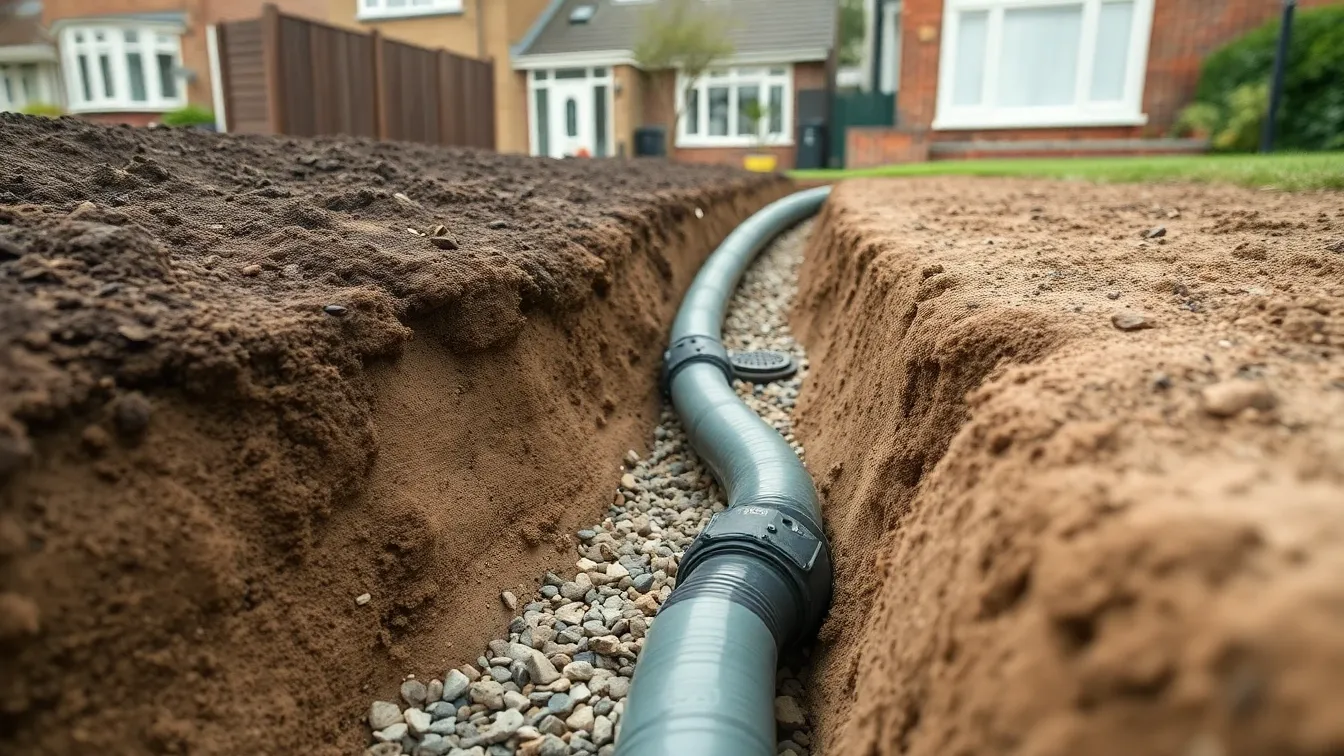
A standard building survey or RICS Homebuyer Report looks at the structure you can see. It doesn't put a camera down the drains, because that's a specialist job requiring different equipment. In an area like Bournemouth and Christchurch, where streets of Victorian and Edwardian terraces sit alongside interwar semis, that gap matters more than it might elsewhere. Original drainage on older properties was often laid in clay pipe, jointed by hand, decades before anyone thought about tree root growth patterns or ground movement on sandy soil. None of that shows up on a visual walk-round.
Some buyers commission a drain survey because the seller's Property Information Form flags a past blockage or repair. Others do it simply because the property's age and the local ground conditions make it a sensible precaution, in the same way a damp survey or an electrical report might be. Either way, it's a decision made before completion, not after — once you own the drains, any defects are yours to fix.
What the Survey Actually Records
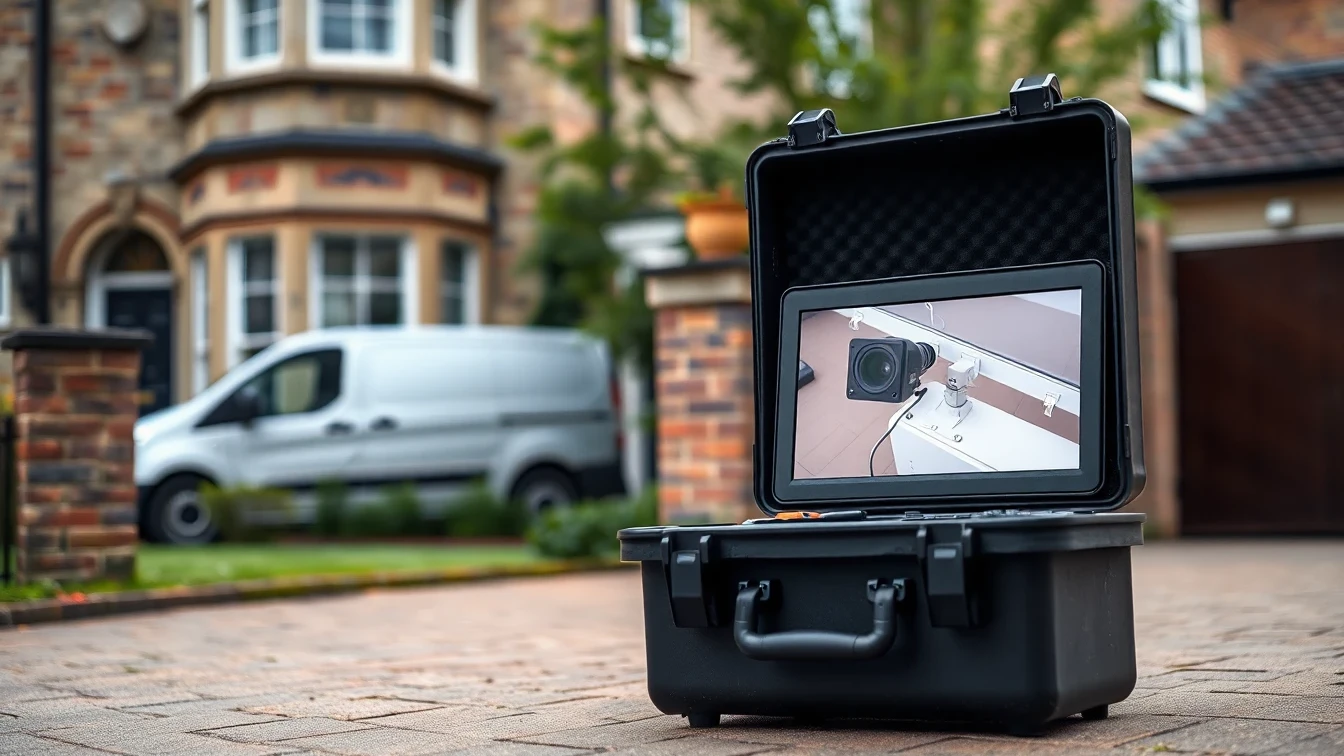
A CCTV drain survey works by pushing a waterproof camera through the pipe run from an accessible point — usually a manhole or inspection chamber — and recording footage as it travels. The person carrying out the survey notes anything that deviates from a sound, clear pipe: cracked or fractured sections, root intrusion through joints, a "bellied" section where the pipe has sagged and now holds standing water, or displaced joints where sections have moved apart. Defects like these are typically graded by severity, in line with the kind of structural and service condition classification used across the UK drainage industry (based on WRc's Manual of Sewer Condition Classification), so a buyer or their solicitor can see at a glance whether something needs immediate attention or is simply worth monitoring.
For a property purchase specifically, a pre-purchase drain survey is scoped to answer the buyer's question directly: is this drain sound enough to buy the property as seen, or should the finding be raised with the seller or factored into negotiations? The report you're left with typically separates structural condition (is the pipe itself cracked, deformed, or collapsing) from service condition (is it currently flowing freely, regardless of its structural state), because a pipe can have a defect and still work perfectly well for years before it becomes urgent — the survey is there to tell you which situation you're actually looking at.
What Tends to Show Up on Older Properties
On the older housing stock common around Bournemouth — including many of the Victorian and Edwardian streets in and around the town — the most frequent findings are root ingress at pipe joints, cracked or fractured clay sections, and bellied runs where decades of minor ground settlement have left a dip in the pipe that traps water and debris. None of these are unusual for a property of that age; clay drainage from this period can and often does remain in serviceable condition for well over a century when it hasn't been disturbed by nearby building work or aggressive root growth. What matters for a buyer is knowing which of these findings apply to the specific property, and how far along that process the drain currently is, before you own the problem rather than after.
It's also worth knowing what a survey generally won't tell you: it records the condition of the pipe that's there, not a guarantee of how long it will keep performing without any degradation. A drain graded as sound at survey can still develop a new defect later, in the same way any other part of an older property can. The value of the survey is in ruling out — or confirming — problems that already exist at the point of purchase.
Public Drain, Private Drain, or Public Sewer?
Knowing there's a defect is only half the picture — the other half is knowing whose problem it is. In England, drainage responsibility is split between the private drain serving a single property, a shared "lateral drain" serving more than one property before it reaches the public network, and the public sewer itself, which the local water company (Wessex Water, across this area) is responsible for maintaining. A CCTV survey shows you the condition of the pipe; checking the public sewer map alongside it shows you where responsibility actually sits, and whether a defect found during the survey is even something the new owner would be liable for. We've covered this split in more detail for blocked drains in Christchurch, and the same principle applies just as much to a pre-purchase check as it does to an existing blockage.
After the Survey: What You Get and What It Means for Your Offer
Once the survey is complete, you'll have footage and a written record of what was found, which can be shared with your solicitor or used as the basis for a conversation with the seller if something significant turns up. If a defect does turn up, that doesn't automatically mean the purchase is a bad idea — plenty of buyers proceed with older properties that have known, manageable drainage issues. What it does give you is a factual basis for a conversation with the seller or their agent, rather than a guess. Whether that conversation leads to a price adjustment, the seller arranging a repair before completion, or you simply factoring future maintenance into your budget is between you and your solicitor; the survey's job is only to make sure that conversation happens with real information in hand, not something the survey dictates on its own.
Booking a Survey Before You Complete
If you're in the process of buying in Christchurch, Bournemouth, or nearby Poole and want the drainage checked before you commit, request a fixed-price quote online and let us know your target completion date so the survey can be arranged in good time.